Common problems with wedding flowers in Crawley and fixes
Posted on 23/10/2026
Wedding flowers should feel effortless on the day. In reality, a lot can happen between the first mood board and the moment the bouquet is handed over: warm cars, tight timings, last-minute guest count changes, mixed messages about colour, or stems that looked perfect on Tuesday and a bit tired by Saturday morning. If you are planning a wedding in Crawley, this guide on common problems with wedding flowers in Crawley and fixes will help you spot the usual headaches early and deal with them calmly.
Truth be told, most flower disasters are not disasters at all. They are planning problems, communication problems, or small care issues that snowball. The good news? Nearly all of them have sensible fixes. Below, you will find what typically goes wrong, why it happens, and what to do so your flowers arrive looking polished, fresh, and very much wedding-ready.
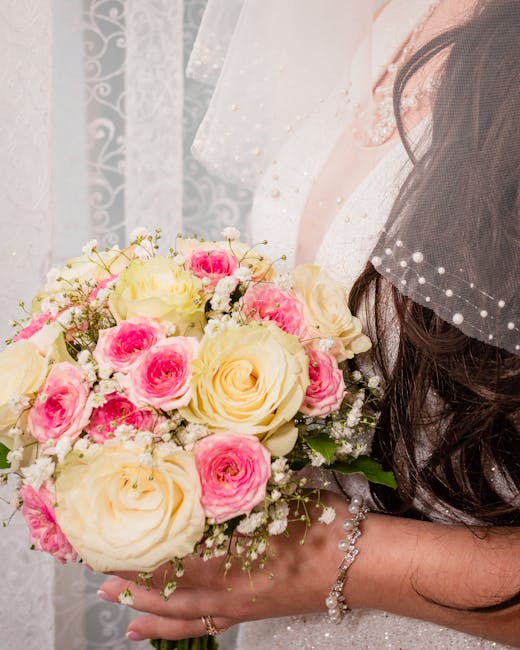
Why Common problems with wedding flowers in Crawley and fixes Matters
Wedding flowers are not just decoration. They shape the feel of the ceremony, the photos, the reception tables, and sometimes even the first thing guests notice when they walk in. When flowers are late, wilted, the wrong shade, or badly scaled for the venue, the whole day can feel less considered than it should. And nobody wants to be looking at a bouquet thinking, "Well, that is not quite what we discussed."
In Crawley, that matters even more because weddings often involve a practical mix of venues, transport routes, and tight turnaround times. Some couples are moving between home, hotel, church, registry office, or reception space in a fairly small window. If you are using a florist near Crawley RH6 or arranging wedding flowers for a venue with specific access times, the plan has to be clear. The flowers themselves might be beautiful, but timing and handling can make or break the result.
Common problems tend to fall into a few buckets: freshness, design mismatch, quantity, delivery, and care. Once you understand those buckets, the fixes become much simpler. That is really the point of this guide: to help you prevent the annoying little issues before they become expensive, emotional ones.
How Common problems with wedding flowers in Crawley and fixes Works
Planning wedding flowers usually starts with inspiration and ends with logistics. In between, you will choose colours, stems, styles, sizes, delivery timings, and who is responsible for what on the day. The process sounds straightforward, but the more moving parts there are, the more room there is for confusion.
A practical example: a couple may ask for "soft blush and white" without discussing whether that means pale pink roses, cream lisianthus, or a cooler ivory palette. They may love a Pinterest image that uses peonies, only to find those stems are not reliably available in the season. Or they may book bridal bouquets and buttonholes, then realise the table arrangements are not coordinated at all. Small gaps like that are where most problems start.
The fix is not complicated. It usually means making the brief more specific, confirming the flower list, checking substitution policy, and planning the delivery sequence carefully. If you are comparing wedding styles, it can also help to look at the broader range of wedding flowers and shape the scheme from there, rather than starting with one pretty photo and hoping everything else falls into place. That approach tends to be calmer. Also, a lot less stressful on a Friday afternoon.
There is one more thing to understand: fresh flowers are living materials. They respond to heat, water, handling, and time. So a good wedding flower plan is not only about choosing the right stems; it is about keeping them hydrated, cool, and correctly assembled until the moment they are needed.
Key Benefits and Practical Advantages
Sorting out wedding flower issues early brings more than just prettier arrangements. It reduces stress, protects your budget, and makes the day flow better. Let's face it, weddings have enough surprises without the bouquet being one of them.
- Better visual consistency: Matching bridal flowers, bridesmaid bouquets, buttonholes, and tables makes photos look cohesive.
- Less waste: Choosing the right stem types and quantities helps avoid over-ordering or awkward gaps.
- Fewer last-minute crises: Clear delivery instructions and a backup plan reduce panic on the morning.
- Improved flower life: Proper conditioning, cool storage, and water management keep blooms fresher for longer.
- More confident decision-making: Once common issues are understood, it is easier to compare options sensibly.
There is also an emotional benefit that people often underestimate. When the flowers are right, they quietly hold the day together. They do not shout. They just sit there looking beautiful in the background while everyone else is laughing, crying, and trying not to smudge makeup. That matters more than people think.
Who This Is For and When It Makes Sense
This guide is for anyone planning a wedding in Crawley who wants the flowers to feel polished and dependable. That includes couples working with a florist directly, people ordering a curated wedding collection, and families helping with arrangements on a tighter budget.
It is especially useful if:
- you are planning a wedding during warmer weather or a busy season;
- you have a specific colour scheme and want it respected closely;
- you need bridal flowers, bridesmaid bouquets, buttonholes, and table arrangements to match;
- you are working to a strict venue window or delivery time;
- you want to avoid substitutions that change the look too much;
- you are comparing luxury and budget options and need to know where corners can safely be cut.
If you are early in the planning stage, it is also worth browsing options like wedding bridal bouquets, bridesmaid bouquets, and buttonholes so you can see how the components fit together. That makes discussions much easier than trying to describe the whole wedding in one breath. Which, to be fair, is how most of us start.
Step-by-Step Guidance
Below is a practical way to reduce the most common wedding flower problems before they show up. Keep it simple. Simple is good.
- Define the overall look first. Decide whether you want classic, romantic, modern, rustic, or full luxury. Do not start with random stems and hope the style appears by magic.
- Pin down the venue and timings. Write down ceremony time, venue access, room turn-around times, and who can receive the flowers on arrival.
- Choose the essential items. At minimum, decide on bridal bouquet, bridesmaid bouquets, buttonholes, and table arrangements. If you need more, add them later.
- Be specific about colours and substitutions. Ask what happens if one flower is unavailable. A good florist will usually suggest an alternative that keeps the palette intact.
- Match flowers to the season where possible. Seasonal stems often look fresher and are less prone to supply problems.
- Check size and scale. A bouquet that looks perfect in a close-up photo can overwhelm a smaller frame, or vanish in a large ceremony room.
- Confirm delivery and storage. Flowers should be delivered to a cool, shaded place where possible, not left in a hot hallway or boot of a car.
- Ask for care instructions. Even the best arrangement can suffer if someone trims stems badly, forgets water, or leaves it near a radiator.
- Build in a small buffer. A little extra time on delivery day can save a lot of stress if traffic or access is awkward.
- Check the final list the week before. Names, quantities, colours, and addresses. Again. Then again if needed.
If you want a more complete wedding set, a collection like White Wonders Wedding Collection, True Happiness Wedding Collection, or The Perfect Match Wedding Collection can help keep the design consistent across multiple items. That can be a real relief when you are juggling ten other tasks and a cousin who suddenly has opinions about ivory.
Expert Tips for Better Results
Here is the stuff that usually makes the biggest difference in real life.
1. Treat flower choice and flower handling as separate decisions
People often focus only on stems. But handling matters just as much. A hardy rose can still look tired if it sits warm for too long, and a delicate bouquet can survive the day beautifully if it is cooled and handled carefully.
2. Always ask what is fixed and what is flexible
Some parts of a wedding flower order should never change, such as the main colour direction or bouquet size. Other parts, like filler flowers, can be flexible. Knowing the difference protects the design without creating unnecessary cost.
3. Match bouquet weight to the person carrying it
This sounds obvious, but it gets missed. A bouquet that feels beautiful for one person may feel heavy after twenty minutes of photos and standing around in heels. Lighter mechanics can make a surprising difference.
4. Think about the venue light
Warm artificial lighting, candlelight, and daylight all affect how flowers read in photos. White blooms can look creamy under amber light. Dark reds can appear richer. A slightly off-white shade can be exactly right. You get the idea.
5. Keep one design element repeated across the day
Maybe it is rose varieties, maybe it is greenery, maybe it is one accent colour. Repeating a small detail helps the whole wedding feel intentional rather than assembled from separate parts.
One small but useful observation from real wedding prep: the flowers that cause trouble most often are not always the fanciest ones. Sometimes it is the small extras, like buttonholes or corsages, that get left until the last minute and then rushed. That is where mistakes creep in.
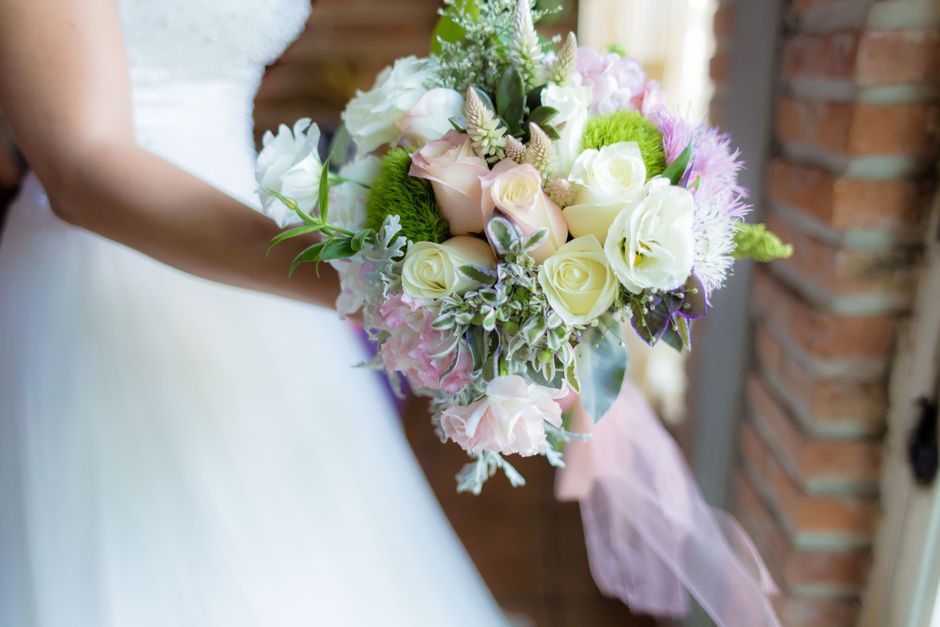
Common Mistakes to Avoid
The following issues show up again and again. The fixes are not glamorous, but they work.
- Being too vague about colour: Saying "pink" is not enough. Soft pink, dusky pink, rose pink, and blush all behave differently.
- Ordering from inspiration only: Photos online may use seasonal flowers that are not easy to source at the same time of year.
- Ignoring venue logistics: If there is limited parking, narrow access, or a strict loading window, delivery needs to be planned carefully.
- Choosing too many flower types: Mixing too many varieties can make the design look busy and may increase substitution risk.
- Forgetting who will set up what: Somebody needs to place the table arrangements, pin buttonholes, and check the ceremony flowers.
- Leaving care instructions undocumented: A quick chat is easy to forget. A written note is harder to misread.
- Assuming every flower lasts equally well: Some stems are tougher than others. Good florists will guide you, but it helps to ask.
Another common slip is under-ordering the finishing touches. A bouquet and a few table stems can look incomplete if there is no thought given to buttonholes, corsages, or a small arrangement for the registrar table. Small things, but they matter.
Tools, Resources and Recommendations
You do not need fancy software to plan wedding flowers properly. A simple, tidy approach usually works best.
- Photo reference folder: Keep 5 to 10 images only. Too many and the brief becomes muddled.
- Venue timing sheet: Write delivery time, ceremony time, access details, and contact numbers in one place.
- Colour note: Record exact shades in plain language, such as ivory, pale blush, sage, burgundy, or white-green.
- Guest table list: Useful if you need to size table arrangements properly.
- Care note for the wedding party: Simple instructions for hydration, storage, and transport.
In terms of product browsing, it can help to compare bridal, bridesmaid, and table options together rather than separately. For example, you may find the pairing of wedding table arrangements with wedding corsages gives the whole event a more balanced look. If you prefer a coordinated style across all items, a curated set can save time and reduce guesswork.
For practical planning, many people also look at general delivery information and flower care advice before confirming an order. Those pages are worth reading because the fastest fix for a problem is often just understanding how the flowers should be handled from the moment they arrive.
Law, Compliance, Standards, or Best Practice
For wedding flowers, the main concern is not heavy regulation; it is good practice, clear communication, and reliable service. Still, there are a few areas worth treating carefully.
Consumer clarity matters. A wedding order should be discussed clearly enough that the customer understands what is being supplied, what may vary, and what happens if substitutions are needed. That includes delivery expectations and any limitations on timing or access.
Refunds and replacements should be understood in advance. Perishable goods can be handled differently from ordinary retail items, so it is sensible to read the seller's terms and returns information before placing an order. That is just plain common sense, even if it is not the most exciting part of wedding planning.
Best practice includes written confirmation. For weddings especially, a written summary of the order is far better than relying on memory. Names, dates, items, colours, and venue details should all be checked carefully. Mistakes here are avoidable, and honestly, they should be.
Accessibility and delivery planning should be considered. If the venue has a step-free route, narrow entrance, or restricted unloading area, this should be mentioned early. Good planning prevents stress for everyone involved.
It is also sensible to review the florist's general business policies, including payment, delivery, and guarantees, before booking. Those details are not glamorous, but they are part of a trustworthy setup and they matter on the day.
Options, Methods, or Comparison Table
Different approaches suit different weddings. A quick comparison can help you choose the least risky route for your budget and timeline.
| Approach | Best for | Main risk | How to fix it |
|---|---|---|---|
| Fully bespoke design | Couples wanting a very specific look | Higher chance of detail drift or supply substitutions | Use a written brief, exact colour notes, and a final sign-off |
| Curated wedding collection | People who want matching items with less planning | Less freedom to tweak every element | Choose the collection that already fits your style closely |
| Seasonal flower-led design | Budget-conscious couples or anyone valuing freshness | Some blooms may be unavailable in peak or off-season periods | Allow seasonal substitutions from the start |
| Minimalist floral scheme | Small weddings or tighter budgets | Can look sparse if scale is misjudged | Focus on a few high-impact pieces rather than lots of small ones |
If you are unsure which route suits you, start with the wedding pieces that matter most to photos and ceremony presentation. Then build around them. That is usually the safest way to avoid overbuying while still making the day feel complete.
Case Study or Real-World Example
Here is a realistic example of how problems usually appear and how they get fixed.
A Crawley couple planned a ceremony and reception with a soft white-and-blush palette. They wanted a bridal bouquet, two bridesmaid bouquets, buttonholes, and table arrangements. Their first brief was a bit too broad: "romantic, elegant, simple." Lovely words, but not very actionable. The florist could work with that, but it left too much room for interpretation.
During the planning, they realised the ceremony venue had a tight access window and limited space for setup. They also wanted the bouquets to look full in photos without becoming heavy to hold. The fix was straightforward: the flower list was simplified, the bouquet size was adjusted, and the delivery timing was moved earlier so the flowers could rest safely before the ceremony. One stem that was initially suggested was swapped for a more stable alternative that kept the same feel.
The result was calmer all round. The flowers looked consistent in the room, nobody was rushing, and the bouquets still held up well through photos and the reception entrance. Nothing dramatic, which is exactly what you want. You rarely remember the flowers because they were chaotic. You remember them because they were right.
Practical Checklist
Use this checklist in the final planning stage. It is simple, but it catches a lot.
- Have we confirmed the ceremony date, time, and venue address?
- Do we know who will receive the flowers on delivery?
- Have we listed the exact items needed: bridal bouquet, bridesmaid bouquets, buttonholes, table arrangements, and any extras?
- Are the colours described clearly enough to avoid confusion?
- Do we know which flowers must stay fixed and which can be substituted?
- Have we checked whether the venue has access, parking, or storage restrictions?
- Have we confirmed whether flowers need to be transported between locations?
- Have we agreed on delivery timing and a fallback contact number?
- Do we have care instructions for the wedding party or venue team?
- Have we reviewed any terms relating to fresh flowers, delivery, and refunds?
One line to remember: if the setup depends on memory alone, it is probably too loose. Put it in writing.
Conclusion
The common problems with wedding flowers in Crawley and fixes are usually not dramatic floral mysteries. They are practical issues: unclear briefs, awkward timings, temperature exposure, scaling mistakes, and care slips. The fix is careful planning, clear communication, and a florist who understands how wedding day logistics actually work.
If you take anything away from this guide, let it be this: the best wedding flowers are not only beautiful, they are dependable. They arrive on time, they suit the venue, they match the rest of the day, and they still look lovely when the cameras come out after midday, after a few hugs, after a bit of movement. That is what good planning gives you.
Get a free quote today and see how much you can save.
And if things feel a bit much right now, that is normal. Weddings are full of moving parts. Flowers should be the calm bit.

Frequently Asked Questions
What are the most common wedding flower problems in Crawley?
The most common issues are late delivery, flowers not matching the agreed colours, bouquets being too large or too small, stems arriving thirsty or warm, and confusion about who is setting everything up. Most of these come down to planning and communication rather than the flowers themselves.
How do I stop my wedding flowers from wilting on the day?
Keep them cool, out of direct sun, and in water for as long as possible before use. Ask for delivery timing that gives the flowers enough time to settle, and avoid storing them in a hot car or near radiators. A little shade goes a long way.
What should I do if the flowers look different from the photos I showed?
First, check whether the photos were used as inspiration rather than as a strict match. Then speak to the florist about the key elements that matter most to you, such as colour tone, flower shape, and overall fullness. A clear follow-up can often correct the look without starting over.
Are seasonal flowers better for weddings?
Usually, yes. Seasonal flowers are often fresher, easier to source, and less likely to need major substitutions. They can also be better value. That said, if a particular flower matters deeply to your design, a florist can often suggest a seasonal alternative with a similar feel.
How far in advance should I book wedding flowers?
The earlier, the better, especially for popular dates. Booking early gives more time to refine the style, confirm quantities, and avoid last-minute compromise. If your wedding is in peak season, do not leave it hanging around.
What is the best way to brief a florist for a wedding?
Use a short, clear brief with your venue, date, colour palette, key flower preferences, budget range, and the items you need. Add a few images if helpful, but keep them focused. Five strong references are better than fifty mixed ones.
Can I keep costs down without making the flowers look cheap?
Yes. A tighter colour palette, fewer flower varieties, and a focus on high-impact pieces can all help. It also helps to choose designs that suit the season and to prioritise the bouquet and key ceremony flowers over less visible extras.
What if my venue has limited access for delivery?
Tell the florist as early as possible. Limited access affects timing, unloading, and sometimes the order in which items are delivered. When the florist knows the access limits, they can plan around them instead of arriving to a small logistical puzzle.
Do I need matching flowers for the bridesmaids and buttonholes?
Not exactly matching, but they should feel coordinated. Repeating one or two colours, flower types, or texture elements gives the whole wedding a unified look without making everything identical.
What if a flower becomes unavailable close to the wedding?
Good florists will suggest a substitute that keeps the design balanced. This is normal in floristry. The best way to handle it is to decide in advance which elements are essential and which can flex a little if needed.
How should wedding flowers be stored before the ceremony?
They should be kept cool, out of direct sunlight, and, where appropriate, in clean water. The exact advice can differ by arrangement type, so follow the florist's care notes carefully. A warm hallway is not their friend.
Is it worth choosing a wedding flower collection instead of building everything separately?
Often, yes. A coordinated collection can reduce stress and make it easier to keep the design consistent across the bridal bouquet, bridesmaid bouquets, and other pieces. If you want a smoother process and fewer decisions, it is a very sensible route.


